

Accept USELESS Payments on Solana with CCPayment
Share
⏱️ TL;DR: CCPayment now supports USELESS payments on Solana, giving merchants another way to serve customers who already hold assets in the Solana ecosystem. Existing CCPayment merchants can add USELESS to their current crypto payment setup without building a separate payment workflow for this token. CCPayment handles payment detection and status notifications, while merchants can verify the corresponding payment record before updating an order, account balance, or other fulfillment status.
Solana users rarely hold just one asset. A wallet might contain SOL, stablecoins, and community tokens that move quickly between trading, gaming, creator communities, and other on-chain applications. For merchants, the challenge is keeping payment options close to what customers actually hold without rebuilding checkout every time another Solana token gains an audience.
USELESS is one of those assets. It is a community-driven memecoin issued on Solana, with an intentionally "useless" identity rather than a traditional utility roadmap. The project's official crypto-asset white paper describes USELESS as an SPL token built around meme culture and community participation. CCPayment now supports USELESS payments, allowing merchants to add the token alongside their other supported payment assets and give USELESS holders a more direct way to pay.
What Is USELESS?
USELESS is a community-driven memecoin issued on Solana. Rather than presenting a traditional utility roadmap, the project has built its identity around meme culture and the idea of being intentionally “useless.” Its official crypto-asset white paper states that the token has no intrinsic utility, roadmap, governance rights, or attached financial rights.
That Solana connection is relevant for payments. Solana supports a wide range of tokens within the same ecosystem, and its payment documentation covers merchant acceptance, payment verification, transaction monitoring, and reconciliation.
For merchants serving Solana-native customers, USELESS adds another payment choice rather than a replacement for SOL or stablecoins. Customers who already hold the token can use what is already in their wallet instead of converting it into another supported asset before checkout.
Why Offer USELESS as a Payment Option?
Serve Solana-Native Users
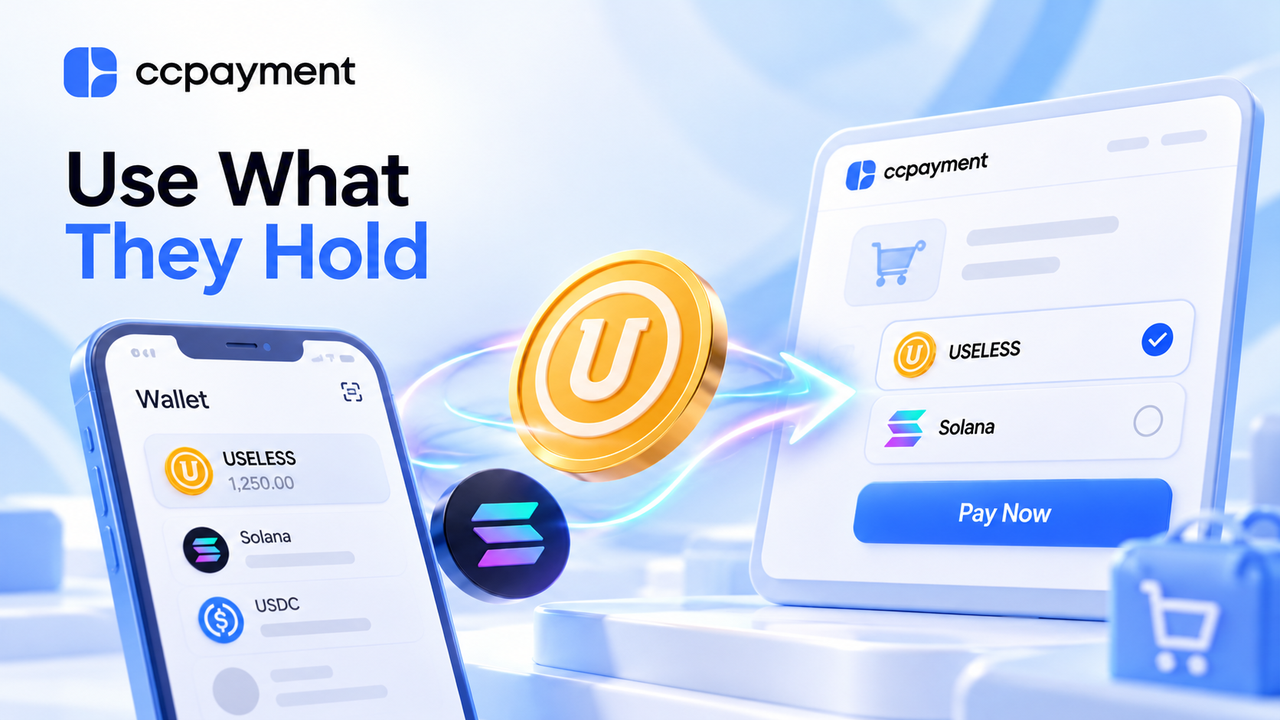
Solana has developed a large ecosystem of wallets, tokens, dApps, trading communities, games, and creator projects. The assets users hold inside that ecosystem do not always match the limited set of cryptocurrencies a merchant initially enabled for payments.
Supporting USELESS can give customers who already hold the token a direct way to pay without first converting it into another supported asset. This can be particularly relevant to Solana dApps, digital platforms, gaming projects, and creator-led businesses.
Reduce Payment Friction
If a customer holds USELESS but checkout only accepts another token, the customer has to swap before paying. That means leaving the payment flow, completing another on-chain transaction, and returning with the required asset.
Adding USELESS removes that conversion step for customers who already hold it. They can choose the token at checkout and send the payment over Solana using the supported payment flow. When paying from a standard Solana wallet, users should also make sure they have enough SOL to cover the applicable network fee.
Expand Solana Payment Coverage
Solana's token ecosystem can change faster than merchants want to change their payment infrastructure. Developing a separate process for every new asset would mean repeatedly handling payment addresses, transaction monitoring, payment identification, status updates, and reconciliation.
Solana's own merchant documentation shows that accepting payments involves more than receiving tokens at an address. Businesses also need a way to verify incoming payments and reconcile them with the corresponding orders.
With CCPayment, merchants can accept Solana tokens such as USELESS through the payment infrastructure they already use. A USELESS payment gateway therefore extends the merchant's existing asset coverage without requiring another standalone Solana payment workflow.
How USELESS Payments Work with CCPayment
Existing CCPayment merchants can enable USELESS under Merchant Settings → Settings → Tokens For Your Business and offer it alongside their other supported assets.
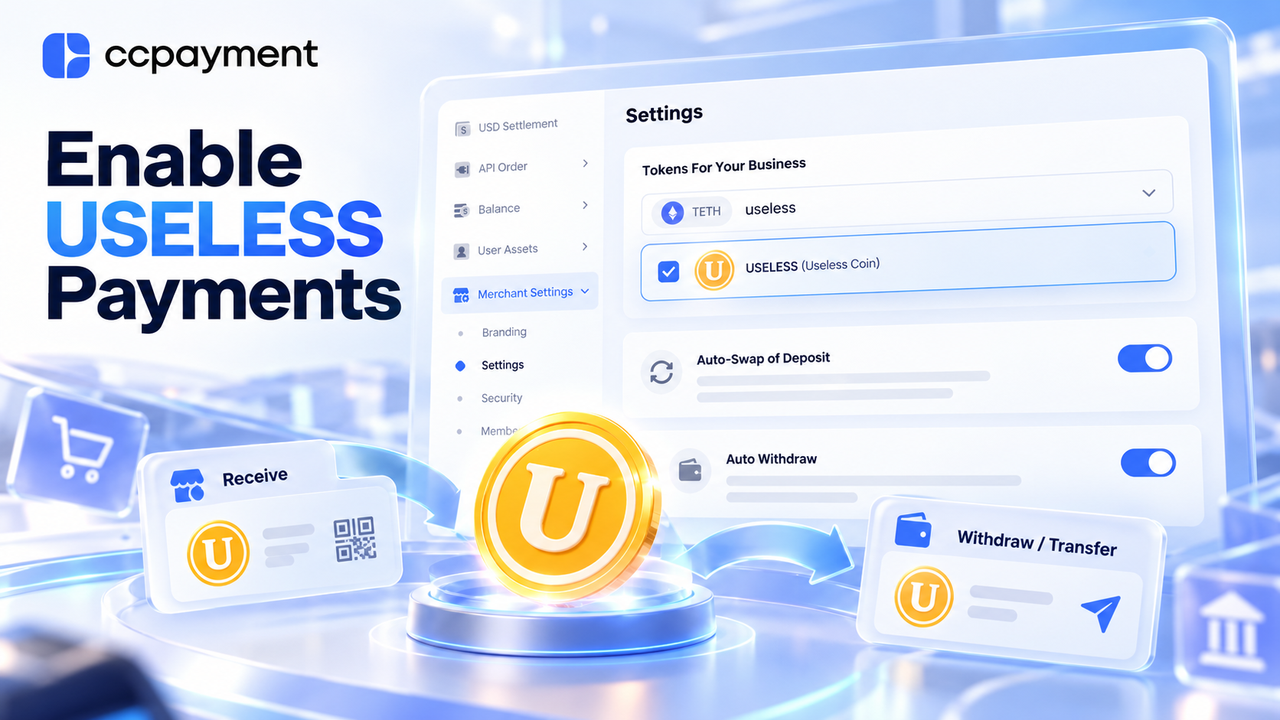
Once USELESS is enabled, developers can use Get Token List to retrieve its Coin ID, supported network, and deposit or withdrawal details together with the merchant's other enabled assets. If USELESS has not yet been enabled, merchants can find its Coin ID in the Supported Cryptocurrencies and use Get Token Information to check its current network and availability details.
Customer Pays with USELESS
In a customer-selected Hosted Checkout, the customer can choose USELESS from the merchant’s enabled payment assets. In a merchant-specified order flow, the merchant’s system selects USELESS and Solana before CCPayment returns the payment details.
The merchant should clearly identify both USELESS and Solana in the payment experience, so customers send the intended token over the correct network.
CCPayment Detects the Solana Transaction
Once the customer sends USELESS, CCPayment monitors the payment and detects the corresponding on-chain transaction. The merchant does not need to build a separate USELESS transaction-monitoring process simply to add the token to an existing CCPayment integration.
From the customer's payment to fulfillment, the operating flow can stay concise:
Select USELESS → Pay on Solana → CCPayment Detects the Payment → Webhook Notification → Merchant Verifies the Payment Record → Fulfillment
Merchant Receives Payment Status
When the payment status changes, CCPayment sends the relevant webhook notification to the merchant's configured callback URL.
The merchant should verify the webhook signature, query the corresponding payment record, and confirm that its status is Success and isFlaggedAsRisky is false before updating an order, account balance, subscription, game credit, or other fulfillment status.
Where Can Businesses Use USELESS Payments?
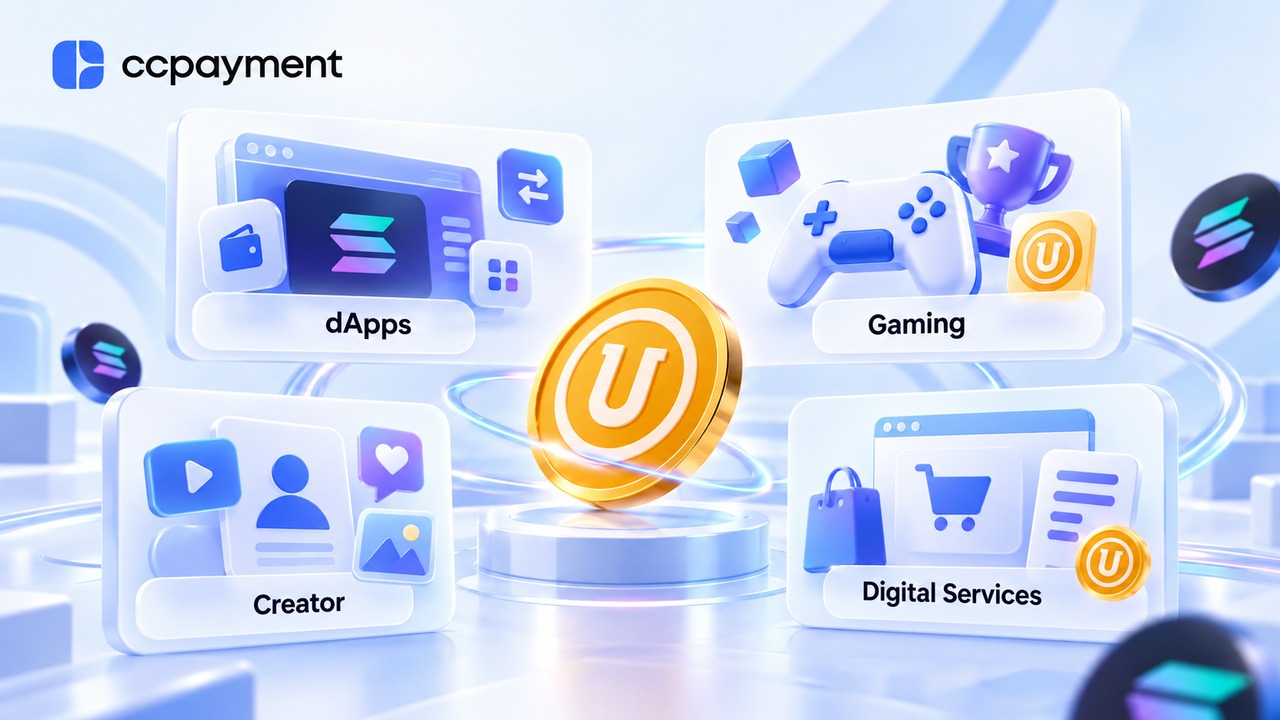
USELESS payments are most relevant to businesses whose customers already overlap with the Solana ecosystem.
Solana dApps can add USELESS to paid features, account funding, or digital services. Gaming and entertainment platforms can offer it alongside other crypto deposit options when users already hold the token. Creator projects and online communities may use USELESS for memberships, digital content, access, or other online purchases.
The same approach can apply to other Web3 merchants that want broader Solana payment coverage without maintaining a separate payment integration for every community token.
For businesses comparing how broader asset support fits into their payment stack, see CCPayment's guide to choosing a crypto payment gateway.
For businesses evaluating broader asset coverage, see CCPayment’s guide to :Best Crypto Payment Gateways for Merchants in 2026
Add USELESS to Your Payment Mix
If USELESS is already showing up in your Solana community, you can add it without redesigning the payment flow around another token. Existing CCPayment merchants can enable USELESS under Merchant Settings → Settings → Tokens For Your Business and test it alongside the assets they already accept.
If you're new to CCPayment, start with one payment flow and see how USELESS fits your checkout, account funding, or other customer payment scenario. For teams with a custom integration or higher-volume use case, the CCPayment team can also help review the setup before you go live.
FAQ
Q1: When does accepting USELESS make sense for a business?
A: It is most relevant when a business already serves customers who hold USELESS or participate in Solana-native communities. Merchants should evaluate actual customer demand, token volatility, and their treasury policy before enabling it.
Q2: Should USELESS replace SOL or stablecoins at checkout?
A: No. USELESS is better treated as an additional payment option for customers who already hold it. SOL and stablecoins can remain available for customers who prefer more widely used or more price-stable assets.
Q3: Why use a USELESS payment gateway instead of a Solana wallet address?
A: A wallet address can receive a token, but a business still needs to identify the payment, match it to the correct customer or order, track its status, and retain transaction records for reconciliation. A payment gateway connects those steps with the merchant's business workflow.
Q4: Can merchants accept USELESS without building a separate Solana payment integration?
A: Yes. Merchants already using CCPayment can enable supported Solana assets such as USELESS within their existing integration instead of creating a separate payment-monitoring process for the token.
Q5: What businesses can benefit from Solana crypto payments?
A:Solana dApps, gaming platforms, creator projects, digital services, and other Web3 businesses may benefit when a meaningful share of their customers already use Solana-based assets.