How Batch Payouts Help Scale Crypto Faucet Payouts
⏱️ TL;DR: Faucets can credit rewards early, then use CCPayment for withdrawals or batch payouts, with approvals, webhooks, and traceable records.

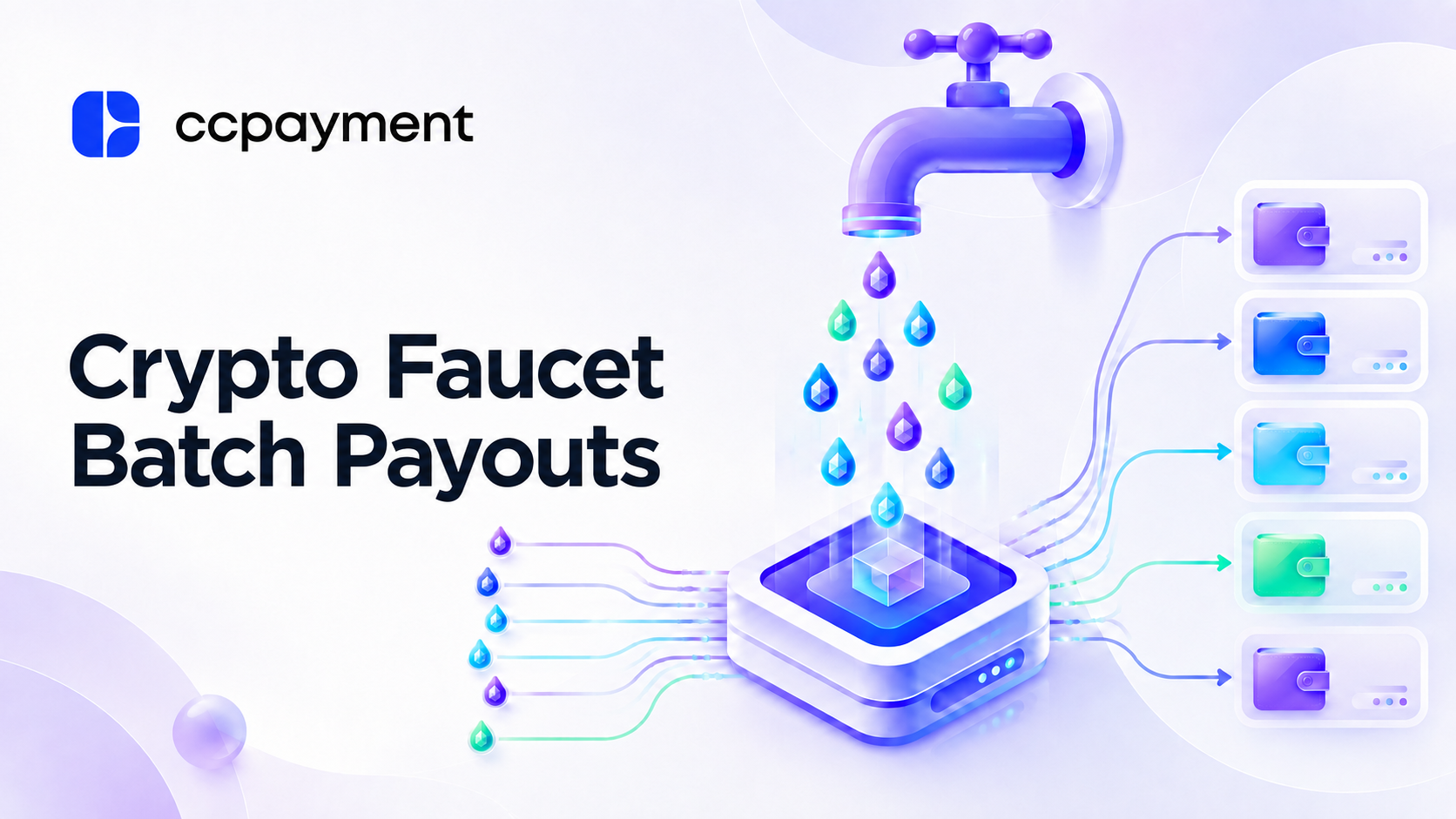
At a small scale, crypto faucet payouts are simple: verify a claim, send the token, and save the transaction hash. Then payout day arrives. A weekly claim list may contain hundreds of addresses, and one invalid address, timeout, or careless retry can turn a routine run into hours of checking records. For micro-rewards, even a small network fee or duplicate payment matters.
What Is a Crypto Faucet?
A crypto faucet distributes small amounts of cryptocurrency when users complete defined activities, such as solving captchas, viewing content, testing a blockchain product, or reaching an in-app milestone. The name reflects a tap releasing small “drops” of value.
As MoonPay’s explanation of crypto faucets notes, users typically accumulate rewards and withdraw after reaching a minimum threshold. Faucets may support token onboarding, testnet campaigns, advertising, gaming, loyalty, or community programs. Every model needs a reliable route from an approved reward to the user.
Why Automated Faucet Payouts Become Difficult at Scale
Volume is the first problem. Every address, amount, network, and result must be matched with the right user. Manual transfers take longer and fragment the audit trail. During each settlement, operations must match claims with wallet records, transaction hashes, and support requests.
Fees create a second constraint. Ethereum’s gas documentation explains that transactions require gas and fees can rise with demand for block space. A reward worth only a few cents may be uneconomical to send immediately. Scheduled payout runs reduce repetitive operational work, but they do not eliminate blockchain network fees. The final cost depends on the asset, network, execution method, and current network conditions. Sensible withdrawal thresholds, appropriate networks, and a clear fee policy remain important.
Exceptions are where the real cleanup begins. An invalid address, unsupported network, insufficient balance, or partial failure can leave one user unpaid while the rest of the run completes. A full-list retry may then create duplicate payments. Each recipient needs an individual status, and completed transfers must be separated from claims that require review.
Status language matters too. A reward may be approved long before tokens reach an external wallet. Labeling it “paid” too early can prompt requests for a transaction hash before submission. Separate reward status from payout status, and keep earned, approved, queued, submitted, and completed as distinct stages.
How CCPayment Supports Web3 Reward Distribution
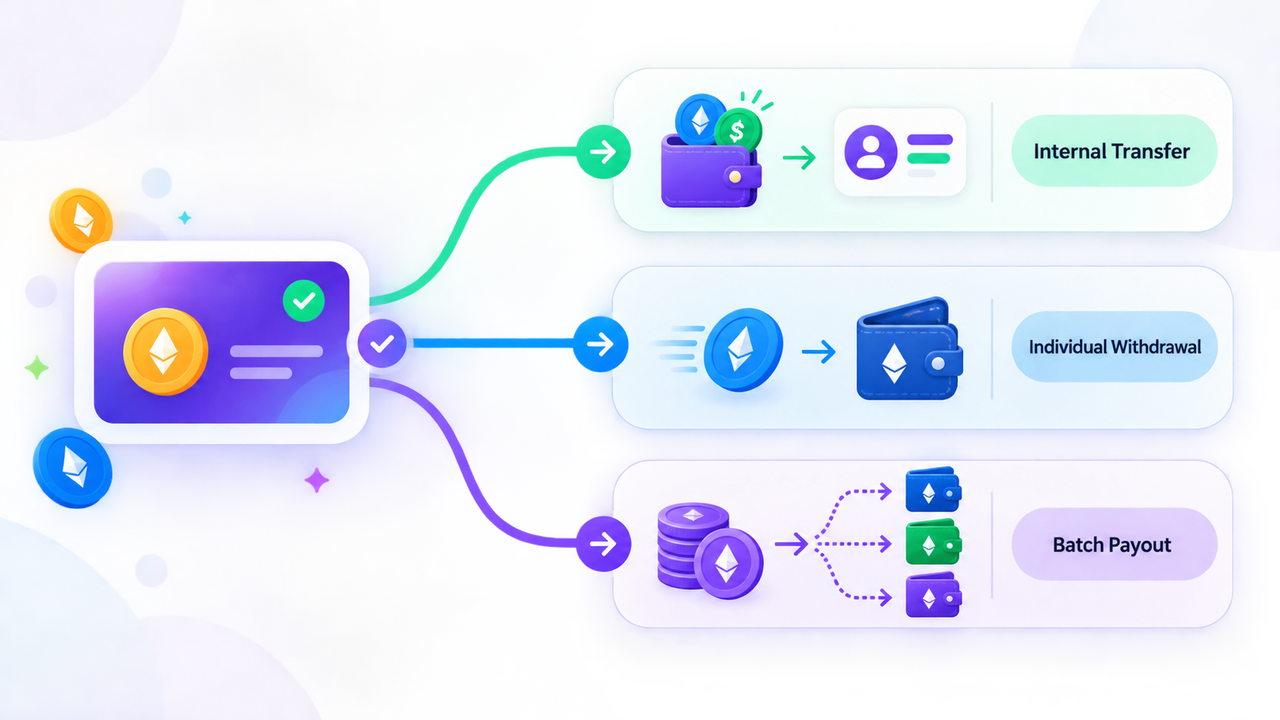
CCPayment connects user-level reward balances and external blockchain payouts in one workflow. A faucet can credit frequent rewards internally, wait for a withdrawal request, then group approved external claims into a controlled batch. Approval settings, webhooks, and transaction records support the process from balance credit to final reconciliation.
| Faucet challenge | CCPayment capability | Operational value |
| Frequent micro-rewards | Wallet System and Internal Transfer | Credit user balances without an on-chain transaction for each reward |
| Weekly or monthly claim lists | Batch Withdrawal API | Manage up to 500 sub-orders under one master order |
| Partial payout failures | Sub-order tracking | Review affected recipients without rerunning completed payments |
| Unusual batch totals | Bulk Withdrawal Approval | Add human review before execution |
| Reconciliation workload | Webhooks, API queries, and transaction records | Keep a recipient-level payout trail |
Internal Transfers in a Crypto Faucet Payment System
The CCPayment Wallet System maintains user-level balances, while Internal Transfer moves rewards within the system. This setup fits rewards that users accumulate before withdrawal.
The faucet validates the earning event, then credits the relevant balance. Transfers within the Wallet System avoid a separate on-chain network fee for each reward. Users can accumulate funds and request an external withdrawal later.
Faucet claim decisions remain with the operator, including eligibility, duplicate prevention, abuse controls, withdrawal thresholds, and user communication. CCPayment provides the wallet and transfer infrastructure.
On-Chain Withdrawals for Token Reward Payouts
External wallets require a different path. When a faucet promises direct delivery, the operator can use an on-chain withdrawal after confirming the token, network, destination address, and amount. A single withdrawal may suit an urgent claim, a short recipient list, or an exception scheduled ahead of the next payout run.
Once submitted on-chain, mistakes are harder to unwind. The faucet should confirm that the address matches the selected network and review payment history for duplicate claims. User-facing status should distinguish an approved reward from a submitted withdrawal and a completed transaction.
Using a Crypto Batch Payout API for Approved Claims
CCPayment’s Batch Withdrawal API lets faucet operators organize a weekly or monthly payout list under one master order with multiple sub-orders. Each sub-order has its own result and transaction hash, making failed payments easier to review and completed payments easier to reconcile. A master order can contain up to 500 recipients. Operators can create the batch with up to 50 recipients and append up to 100 sub-orders per request. Unconfirmed batches expire after 30 minutes, and no additional sub-orders can be added after confirmation.Developers can find the latest limits and parameters in the CCPayment Batch Withdrawal API documentation.
Crypto withdrawals have no CCPayment service fee; only the applicable blockchain network fee is charged, with the estimated network fee returned during batch confirmation.In Single Mode, sub-orders are processed individually, allowing operators to cancel pending sub-orders while the batch is running. In Batch Mode, sub-orders are bundled for faster on-chain execution, but individual cancellation is unavailable once processing begins.
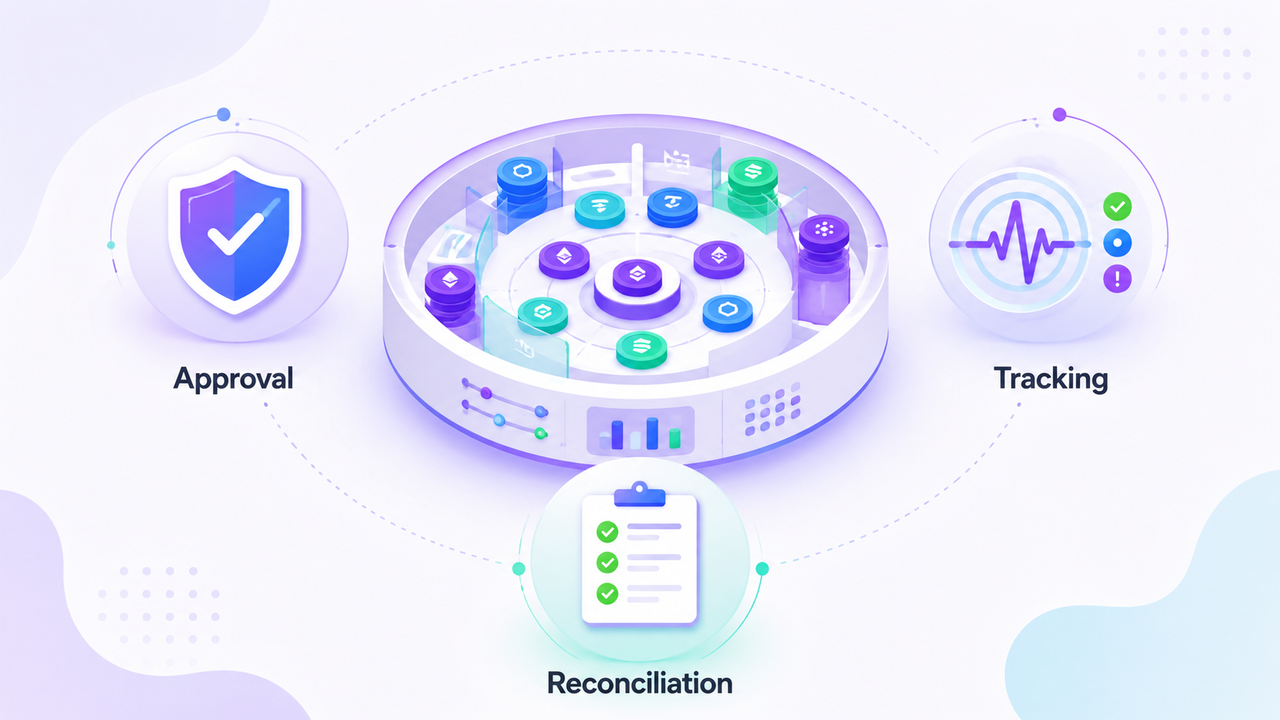
Batch payouts have separate approval settings from regular withdrawals. Faucet claim approval and CCPayment withdrawal approval serve different purposes. The faucet determines whether a reward is valid, while CCPayment’s approval controls determine whether an authorized payout batch can proceed. Teams should configure the appropriate threshold and approver under Bulk Withdrawal Approval Settings. See CCPayment Mass Payouts for a broader overview and the withdrawal approval guide for more information about approval controls.
A Practical Automated Faucet Payout Workflow
Validate and classify each claim
Assign a unique reward or claim ID to every earning event. Store the user ID, amount, asset, network, destination address, reason, creation time, and eligibility state. Before payment, check the withdrawal threshold, supported asset and network, available balance, address format, and previous processing history. Idempotent order references help prevent duplicate payouts after a timeout or retry. Claims that fail validation should move to a review queue.
Choose internal credit or external payout
Credit an internal Wallet System balance when the user is still accumulating rewards. When the user requests delivery to an external wallet, move the approved claim into the on-chain payout queue. Keep reward and payout states separate so an approved claim is only marked completed after the corresponding transfer succeeds.
Build and review the batch
Group external claims by settlement cycle, asset, and network. Create the master batch, add one sub-order for each approved recipient, and save the relationship between the claim ID, master order, and sub-order. Before confirmation, compare the recipient count and total amount with the approved claim report. Review the returned network fee and route unusual totals through Bulk Withdrawal Approval.
Track every recipient
Use webhooks to synchronize payout status, with API queries and transaction records available when a callback is delayed. Update each claim from its corresponding sub-order result and store the final transaction hash. Completed recipients should remain closed, even when another payment in the same batch fails.
Handle exceptions and reconcile
Move failed recipients to an exception queue. Check the address, network, available balance, payment history, and failure reason before resubmitting the claim. After the batch completes, compare approved claims, submitted sub-orders, successful and failed transfers, transaction hashes, and network fees. These records give support, finance, and engineering a shared audit trail for the full payout cycle.
Build a Payout Process That Scales
Growing faucets need a payout process that stays manageable as recipient counts increase. CCPayment connects reward balances with external settlement, giving operations and engineering teams a clear record from approved claim to completed transfer. Developers can review the Batch Withdrawal API documentation and choose the payout path that best fits their reward schedule, withdrawal policy, and exception-handling process.
FAQ
Q1: What is the best payout method for a crypto faucet?
A: Use Internal Transfer for rewards kept in user balances, individual withdrawals for urgent external payments, and the Batch Withdrawal API for scheduled multi-recipient payouts.
Q2: How should a faucet handle a partially failed batch?
A: Leave successful sub-orders untouched and move failed recipients to an exception queue. Validate each failed claim before resubmitting it.
Q3: Do batch payouts eliminate blockchain network fees?
A: No. Network fees still apply. The fee details are provided during batch confirmation for review before execution.
Q4: How many recipients can CCPayment process in one batch?
A: A master batch order currently supports up to 500 sub-orders. Check the latest API documentation before implementation.
Q5: Is regular Withdrawal Approval enough to protect batch payouts?
A: No. Bulk Withdrawal Approval must be configured separately with its own threshold and approver.
Crypto Adoption for Business 2026
Deep dives into Web3 payments, industry trends, and how to scale your global commerce with zero-code integrations.