

Banking Holidays vs. Global SaaS: Why Web3 APIs are the Ultimate 24/7 Settlement Solution
Share
Is your US-based SaaS losing European customers because of a bank holiday delay in Frankfurt or Singapore?
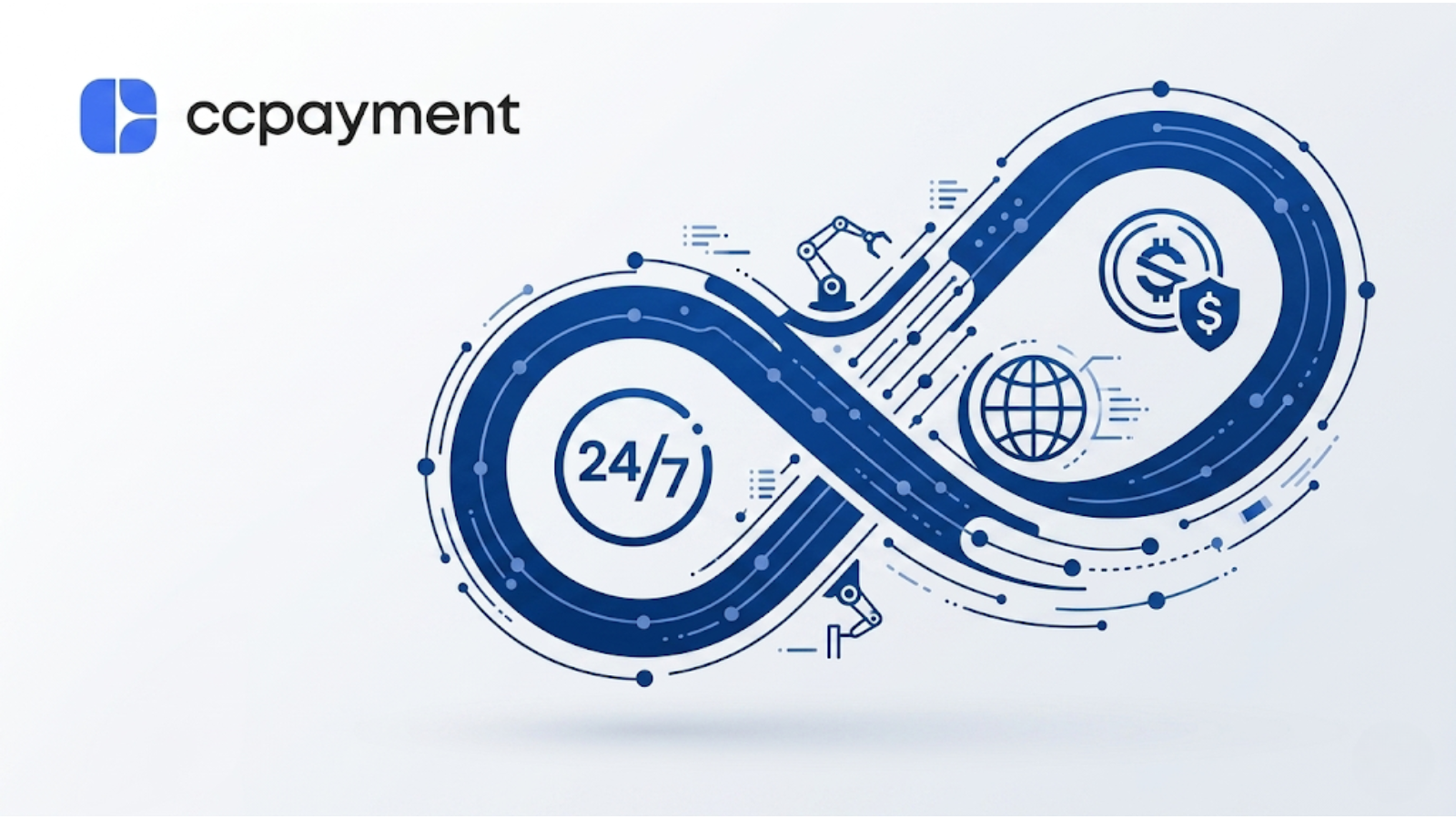
Is your US-based SaaS losing European customers because of a bank holiday delay in Frankfurt or Singapore?
In 2026, payment rails should be as borderless as the internet.
Imagine this: It’s the first week of May. Your US-based enterprise software company has just closed a massive annual contract with a client in Germany, alongside several mid-market deals in Asia. The invoices are sent, and the clients initiate the wire transfers. Your finance team projects a record-breaking week for cash flow.But the funds don’t arrive.
You are forced to wait days for legacy banking networks to reopen. This friction is exactly why leading platforms are actively seeking a SWIFT alternative for SaaS. Europe and much of Asia are shut down for "May Day" (Labor Day) public holidays. Concurrently, a localized bank strike in another region has frozen outbound B2B payments. Because traditional financial infrastructure relies on human operators, batch processing, and synchronized business hours, your capital is trapped in transit. The internet never sleeps, your SaaS platform runs 24/7, but your payment rails have taken a long weekend.
According to comprehensive B2B research by Polygon, the fragmented legacy correspondent banking system—plagued by asynchronous bank holidays, time zone lockups, and weekend gaps—costs global businesses an estimated $120 billion annually in trapped liquidity and transaction frictions.
As digital commerce becomes increasingly borderless, relying on the legacy SWIFT network is a strategic liability.
Let's explore how forward-thinking CFOs and CTOs are utilizing modern Web3 Payment APIs and AI Agents to build an anti-fragile, 24/7 global settlement architecture.
The Holiday Trap: Losing $120 Billion to Geographic Asymmetry
The fundamental flaw of legacy cross-border finance is its reliance on geographic symmetry. For a traditional wire transfer or cross-border B2B credit card settlement to clear, multiple independent systems must be awake and operational at the same time.
If a transaction hits a Friday afternoon in Asia, encounters a weekend, and then runs into a US Federal holiday on Monday, a standard T+2 settlement can easily devolve into a T+5 or T+6 nightmare. For cross-border e-commerce businesses paying suppliers, or SaaS companies relying on upfront cash flow to fund server costs, this delay fractures working capital. Furthermore, this introduces massive Foreign Exchange (FX) risk if currency markets gap over a long holiday weekend.
The Stablecoin Shift: Upgrading to Institutional Digital Assets
When growth teams pitch bypassing banks, CFOs naturally worry about volatility and compliance. However, the financial landscape has drastically matured.
As highlighted in Stripe's insights on stablecoin trends, stablecoins are now firmly embedded within the financial mainstream. Banks and fintechs are actively integrating them to modernize settlement. More importantly, the market has heavily favored stability: as of 2025, fiat-backed coins pegged to the US dollar (USD) represent over 99% of the global stablecoin supply.
Additionally, the EU’s MiCA framework and the US GENIUS Act have mandated transparency and high-quality audited reserves. For a SaaS CFO, this means stablecoins (like USDC or USDT) are no longer experimental; they are highly compliant, strictly pegged digital dollars.
By utilizing a cross-border crypto gateway, merchants upgrade to a system driven by deterministic, always-on global code. This makes stablecoin payment integration a mandatory strategic upgrade for modern treasury operations.
The Antifragile Treasury: Achieving True 24/7 Settlement
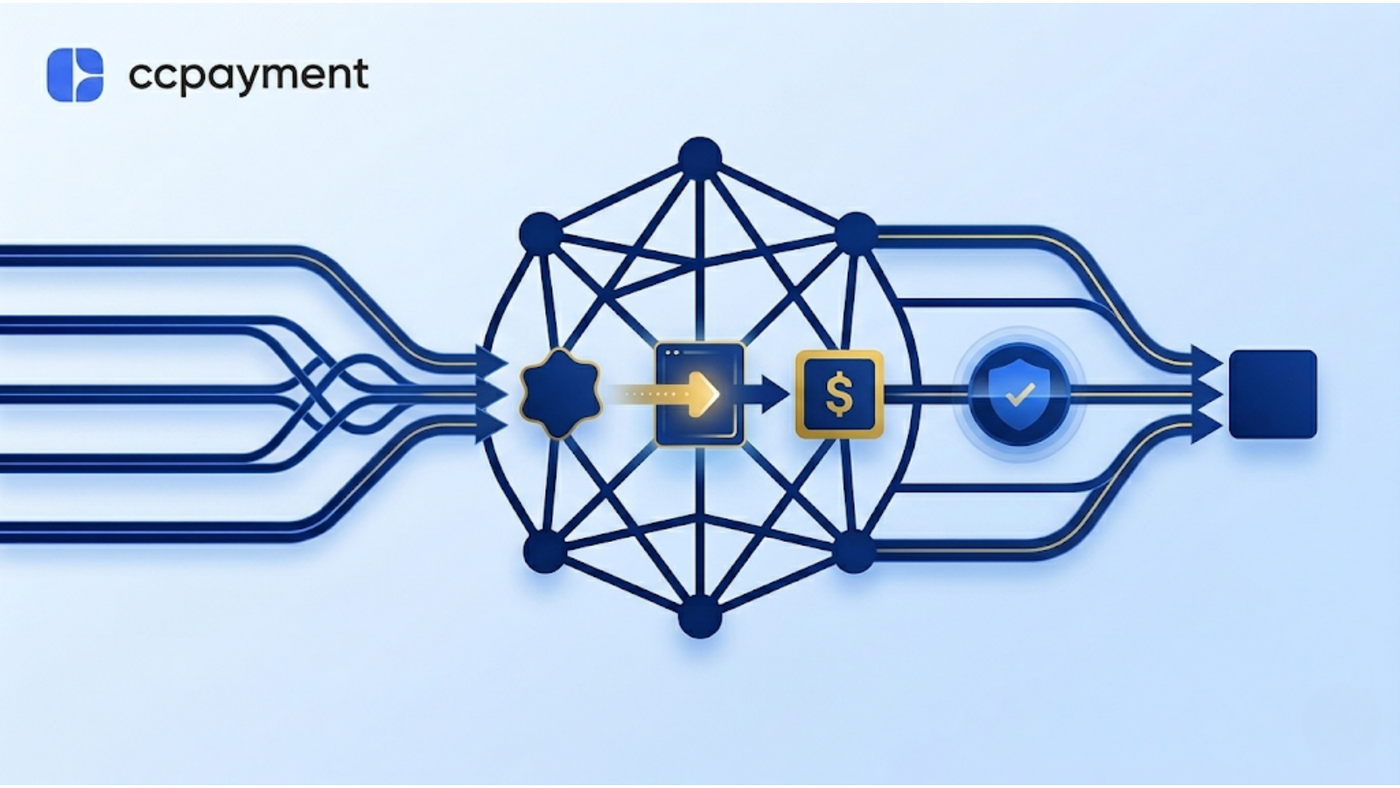
For a SaaS CFO, "anti-fragility" means building a system that doesn't just survive external shocks (like a surprise regional holiday), but maintains perfect stability when legacy systems fail. The traditional correspondent banking stack is essentially a fragile daisy-chain: if one intermediary bank closes for a long weekend, the entire cash flow freezes.
To solve this, modern Web3 gateways rely on a specialized stablecoin architecture. Looking under the hood of CCPayment’s underlying infrastructure provides a perfect example of how this antifragility is achieved in practice:
- Decentralized Routing vs. Bank Hours: Instead of waiting for a clearinghouse in Frankfurt or Singapore to open on a Tuesday, CCPayment’s architecture is built on multi-chain redundancy. It processes payments across multiple decentralized networks concurrently. By completely removing the reliance on localized, human-operated bank branches, your business achieves true 24/7/365 uptime.
- Weekend FX Immunity (The Liquidity Engine): The biggest fear of a long bank holiday is currency fluctuation while funds are trapped in transit. CCPayment solves this through an instant liquidity engine. The millisecond a volatile token arrives, the architecture automatically converts it into a fiat-backed stablecoin (like USDC or USDT). This deterministic 1:1 conversion strictly protects your exact invoice value, fully immunizing your MRR from weekend FX market closures.
- Holiday-Proof Compliance: Fragile systems rely on manual compliance teams that backlog during holidays. An antifragile architecture automates this. Built directly into the settlement flow is a silent, Real-Time KYT (Know Your Transaction) module that scans funds instantly, protecting your enterprise from illicit funds without causing the delays typical of traditional banking algorithms.
Because this robust stablecoin architecture handles all the financial complexity and risk mitigation behind the scenes, the actual integration process for your development team is elegantly simple.
The Developer Elegance: Bypassing Legacy Banks in 3 API Steps
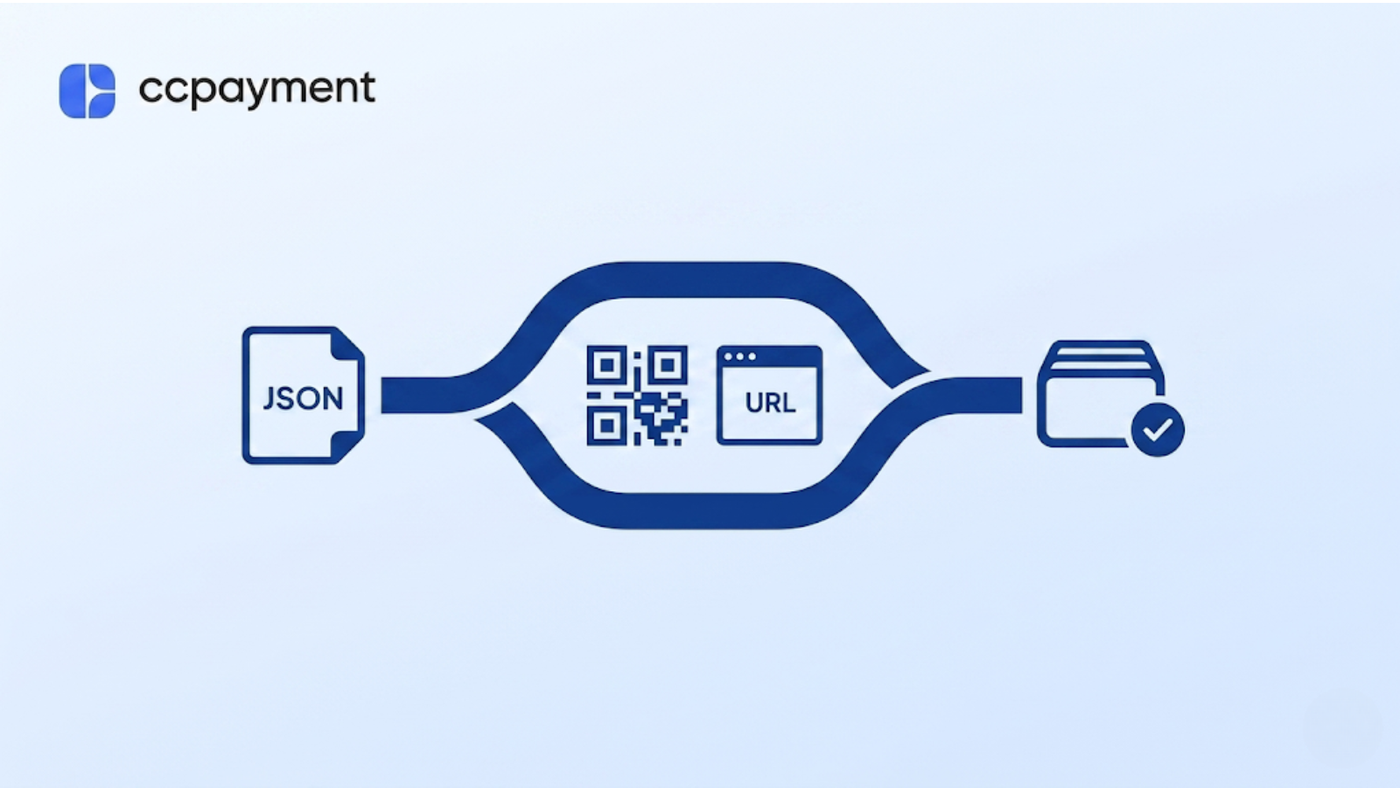
When business leaders hear "blockchain," they often assume it requires months of complex architectural overhauls. In 2026, this is entirely false. Modern Web3 APIs are so exquisitely structured that AI coding agents (like GitHub Copilot or autonomous dev-agents) can parse the documentation and deploy the entire checkout flow in under 10 minutes.
Here is how beautifully simple the full transaction lifecycle is using the CCPayment API:
Step 1: Create the Invoice (The Automated Request)
Your system (or an autonomous AI billing agent) simply configures your credentials, specifies the API endpoint, and generates a clean JSON payload defining the transaction. The configuration is incredibly sleek and straightforward:
const appId = "*** your appId ***";
const appSecret = "*** your appSecret ***";
const path = "https://ccpayment.com/ccpayment/v2/createAppOrderDepositAddress";
// An AI Agent can easily generate this standard payload
const args = JSON.stringify({
"coinId": 1280, // e.g., USDT token
"price": "1", // Your SaaS pricing in USD
"orderId": "testorderid1111",
"chain": "POLYGON"
});
Step 2: The Native Response & UI
The API instantly returns a rich data object. Notice how it provides both a raw blockchain address (for custom native UI) and a pre-built checkoutUrl (if you want zero front-end coding).
JSON
{
"code": 10000,
"msg": "success",
"data": {
"address": "0x9aBDDCE1EE18D1857C0653EB4a3Fa9d9E0dcd584",
"amount": "199.00",
"checkoutUrl": "https://i.ccpayment.com/xxx",
"confirmsNeeded": 50
}
}
Your European client, undeterred by their local bank holiday, simply clicks the checkoutUrl or scans the QR code to pay.
Step 3: Silent Compliance & Automated Reconciliation (Webhook)
The moment the transaction clears on-chain, the API automatically triggers a webhook to your server. Here is an actual, live payload:
JSON
{
"type": "ApiDeposit",
"msg": {
"recordId": "20240313121919...",
"orderId": "saas_sub_99823",
"status": "Success",
"isFlaggedAsRisky": false
}
}
The AI & Compliance Advantage: Notice the "isFlaggedAsRisky": false parameter. In the milliseconds before this webhook fires, the API's underlying KYT (Know Your Transaction) engine scans the blockchain history of the funds. If they are clean, an internal AI Financial Agent in your ERP can read this "Success" webhook and automatically provision the software license for the client.
The Result: A B2B transaction was initiated, cleared, passed compliance checks, and reconciled completely automatically—on a Sunday, during a global bank holiday, without a single human intervention. This developer elegance is what makes modern APIs the ultimate SWIFT alternative for SaaS.
Conclusion: Future-Proof Your Global Settlement
In 2026, relying on a financial system that shuts down for regional holidays is unacceptable. The $12 billion annual cost of delayed payments is a tax that modern SaaS and e-commerce companies no longer need to pay.By integrating a modern Web3 Payment API, you replace the unpredictable delays of the SWIFT network with the deterministic, 24/7 reliability of audited stablecoin settlements. Stop letting Frankfurt's bank holidays dictate your US cash flow. Explore our documentation, let your AI agents handle the 3-step integration, and upgrade your billing infrastructure to be as borderless as your software.
The Treasury Showdown: Legacy SWIFT vs. 24/7 Web3 APIs | |||
|---|---|---|---|
Treasury Metric | Legacy SWIFT / Bank Wires | Web3 API (Stablecoin Settlement) | Impact on CFO & Working Capital |
Operating Window | 9-to-5, Mon-Fri (Subject to regional bank holidays) | 24/7/365 (Always-on) | Completely immunizes cash flow against global "holiday traps." |
Clearing Speed | T+2 to T+6 days (if catching a weekend) | < 60 Seconds | Unlocks trapped liquidity instantly for payroll or reinvestment. |
Holiday FX Risk | High (Blind spots during long weekend market closures) | Zero (Instant 1:1 USDC/USDT peg) | Secures the exact invoice value without currency degradation. |
Compliance Flow | Manual batch reviews (causes random freezes/delays) | Silent, Pre-trade KYT (via Webhook) | Automates AML checks instantly without slowing down settlement. |
System Architecture | Fragile (Breaks when any correspondent bank is offline) | Anti-fragile (Decentralized state machine) | Guarantees deterministic, borderless money movement. |
About CCPayment
The enterprise-grade crypto payment rail. Scale global commerce with an industry-low 0.2% fee, 900+ assets, and zero-code AI integrations.
🌐 Website: ccpayment.com → 📢 Official Channel: @CCPayment_Channel Join for weekly SaaS insights, Web3 trends, and API guides. 🤖 24/7 Support: @CCPaymentSupportBot
FAQ
How exactly does a Web3 API bypass bank holiday delays, and can I access Fiat on weekends?
Blockchain networks operate 24/7, meaning the on-chain settlement of digital assets (like USDC) into your corporate treasury occurs instantly, regardless of weekends or global holidays. While converting those stablecoins into traditional fiat in your local bank account may still be subject to standard banking hours, receiving the stablecoins instantly secures the transaction, eliminates the multi-day SWIFT transit delay, and provides you with immediate digital working capital.
Aren't cryptocurrencies too volatile for enterprise SaaS billing?
Accepting highly volatile tokens directly does carry risk, which is why modern enterprise gateways utilize an auto-conversion mechanism. When a client pays with a fluctuating asset, the API is designed to instantly convert it into a fiat-pegged stablecoin (like USDC or USDT) upon receipt. This process significantly minimizes your exposure to market volatility and helps maintain highly predictable revenue.
Do we need to hire specialized blockchain engineers to implement this API?
In most cases, no. Modern Web3 Payment APIs are built on standard REST architecture, utilizing familiar JSON payloads and webhooks. Your existing web development team—often assisted by modern AI coding agents—can typically integrate the checkout flow in a matter of days, drastically reducing the technical barrier to entry.
How do we handle AML (Anti-Money Laundering) compliance when accepting decentralized payments?
Reputable enterprise crypto gateways incorporate silent, real-time KYT (Know Your Transaction) monitoring. In the background, the API's engine scans the blockchain history of the incoming funds. If the funds originate from a sanctioned or flagged source, the system can intercept the transaction before it settles, effectively helping your business align with strict global compliance standards without adding friction to the checkout.
Will adding a Web3 checkout confuse our traditional B2B clients?
Integrating a Web3 API serves as a parallel payment option, not a mandatory replacement. Your legacy fiat rails (credit cards, traditional wire transfers) remain entirely unaffected for clients who prefer them. The crypto gateway simply provides an alternative for forward-thinking clients who hold digital assets and prefer faster, borderless settlement.
Can stablecoin payments be easily reconciled in our existing ERP (e.g., NetSuite, QuickBooks)?
Yes. Because incoming payments are typically auto-settled into fiat-equivalent stablecoins, they map cleanly to standard USD accounting entries. The API pushes structured data via webhooks directly to your backend, which can be mapped into your ERP. This automation greatly simplifies the reconciliation process and significantly reduces the manual detective work required by your Accounts Receivable team.