Stop Wasting Gas Fees: Why Your SaaS Needs a Smart Crypto Deposit Architecture
Stop bleeding money on EVM gas fees for idle "ghost wallets." Assigning permanent crypto addresses to every user causes massive reconciliation nightmares. Discover how upgrading to a smart Web3 Payment API can boost your reconciliation efficiency by 200% and cut settlement fees to just 0.2%.

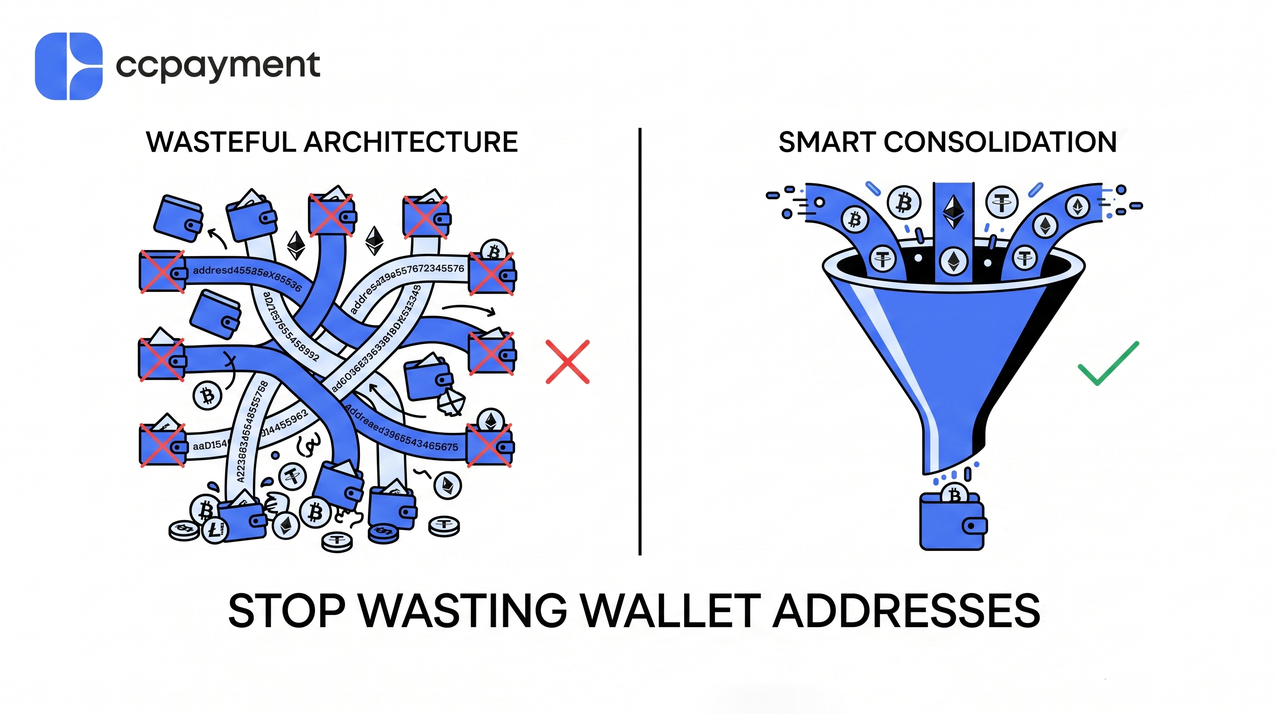
The "Ghost Address" Trap: Are You Paying the Lazy Architecture Tax?
Before we dive into the comparative analysis of deposit architectures, we must address a silent profit-killer in Web3 payments: The "Ghost Address" Trap. Today, many engineering teams blindly default to the exchange model—assigning a permanent crypto deposit address to every single user upon registration. While this seems convenient, it’s a disastrous financial choice for most SaaS or e-commerce platforms.
Think about it: if a user makes a one-time $15 subscription payment and never returns, that permanent address becomes a "ghost." When your platform tries to sweep funds from thousands of these idle ghost addresses into your central treasury, the aggregated on-chain Gas fees can literally bleed your profit margins dry.
Permanent addresses aren't inherently bad—they are simply misused. Building a permanent on-chain vault for a one-time coffee purchase is a massive waste of resources, whereas for an iGaming platform with high-frequency top-ups, it's essential.
To stop wasting Gas fees and streamline your financial reconciliation, you must match your deposit architecture to your specific business model. Let's break down the three core models.
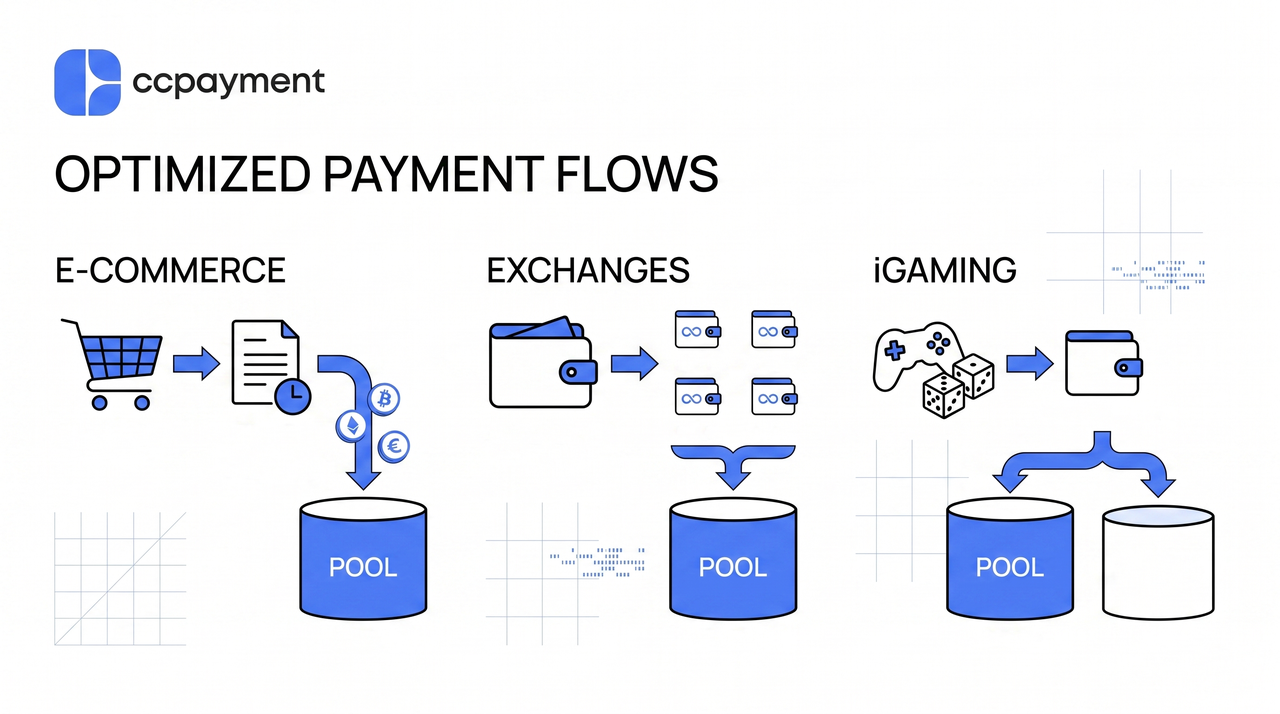
Mapping the Right Architecture to Your Business
To stop the bleeding of unnecessary Gas fees and eliminate manual ledger checks, your payment infrastructure must align with your user behavior. Below is the ultimate blueprint: a comparative analysis of the three mainstream architectures, breaking down their fund flows, operational costs, and reconciliation difficulty.
| Business Context | Recommended Mode | Resource Utilization Strategy | Operational Cost & Gas Efficiency | Strategic Advantage (SEO Focus) |
| SaaS / E-commerce / One-time Checkouts | Dynamic Order Address | Order-Linked Capture: Binds address to order. Post-expiry payments within 7 days are automatically captured and credited as overdue revenue. | Optimized P&L. High address turnover allows for large-scale batch-sweeping, reducing gas overhead per transaction to near-zero levels. | Eliminate Ghost Addresses. Perfect for high-volume, low-margin checkouts where capital efficiency is key. |
| iGaming / Web3 Apps / Loyalty Programs | Merchant Permanent Address | Dedicated User-Binding: A permanent on-chain gateway for returning users to top up without friction. | Retention-Based. Gas costs are tied to user LTV. High-frequency reloads justify the sweeping cost, while inactive accounts are managed via threshold-based sweeping. | Frictionless UX. Best for platforms requiring consistent, branded deposit destinations for VIP user retention. |
| Exchanges / SocialFi / Custodial Platforms | User Wallet System | Off-chain Ledger Integration: On-chain deposits map to an internal ledger, enabling instant platform-wide circulation. | Cost Neutrality. Internal transfers are Zero-Gas (Off-chain). Withdrawal fees are User-borne, while platform sweeping is intelligently scheduled for low-gas windows. | Compliant Scalability. Provides strict asset isolation and regulatory transparency while migrating gas costs away from the merchant. |
How to Choose Your Architecture?
- If you scale via high-volume checkout (SaaS/Shopify): Choose Dynamic Order Addresses to avoid wasting gas on inactive accounts.
- If you operate a high-retention platform (iGaming): Choose Merchant Permanent Addresses for the ultimate frictionless deposit UX.
- If you manage user assets or high-frequency internal interactions (SocialFi/Exchange): Choose the User Wallet System to unlock zero-gas internal flows and transfer gas liability to end-users.
Order Address Mode: The High-Velocity Checkout Architecture for E-commerce & SaaS
For E-commerce platforms and SaaS providers, high-frequency, single-use transactions are the lifeblood of the business. In these scenarios, blindly assigning permanent addresses is a strategic error. Instead, the Order Address Deposit Mode offers the most rigorous, automated, and cost-effective Crypto Payment API solution.
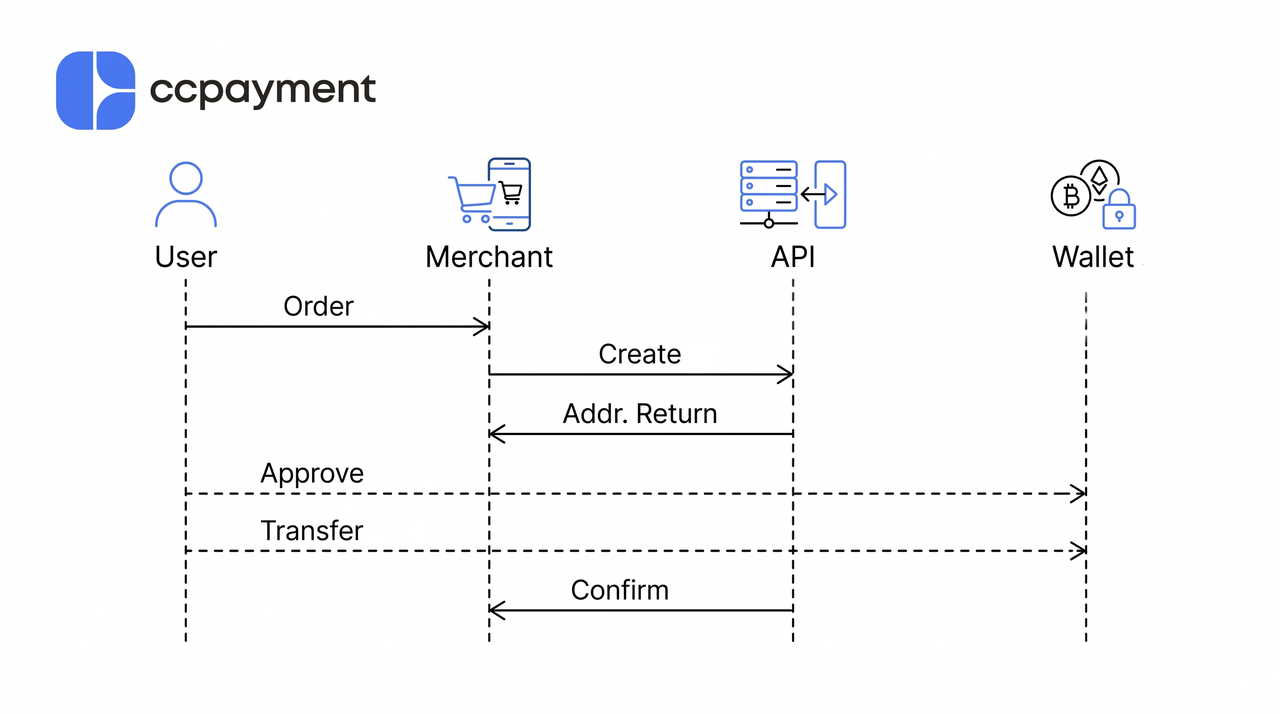
How it Works: Dynamic Payment Invoicing
Under this architecture, when a user initiates a checkout, the system calls a Web3 Wallet Integration API to dynamically generate a unique payment address. This address is strictly bound to a specific Order ID and remains valid for a set window (e.g., 15 minutes).
Why E-commerce Leaders Choose This Model:
- Zero-Friction Automated Reconciliation: Because each address is unique to one transaction, there is no guesswork. Once funds are confirmed on-chain, the system instantly marks the specific order as "Paid." You eliminate the need for complex internal logic to verify "who sent what."
- Optimized Gas & Resource Efficiency: Instead of maintaining a "Ghost Address" for every registered user, this mode utilizes On-Demand Dynamic Allocation. Under this architecture, a payment address is only activated at the moment a transaction is initiated, staying focused strictly on the active payment window. This approach prevents "chain bloat" and eliminates the hidden network costs associated with managing millions of idle on-chain accounts or unnecessary multi-sig overhead. By focusing resources only on active payment paths, you significantly streamline the fund consolidation process and minimize gas-heavy "dust" accumulation.
- Enhanced Security & Compliance: By using single-use dynamic addresses, you reduce the risk of long-term on-chain tracking of your merchant treasury, providing a cleaner financial trail for auditing and compliance.
Permanent Address Mode: Maximizing LTV for iGaming and High-Frequency Platforms
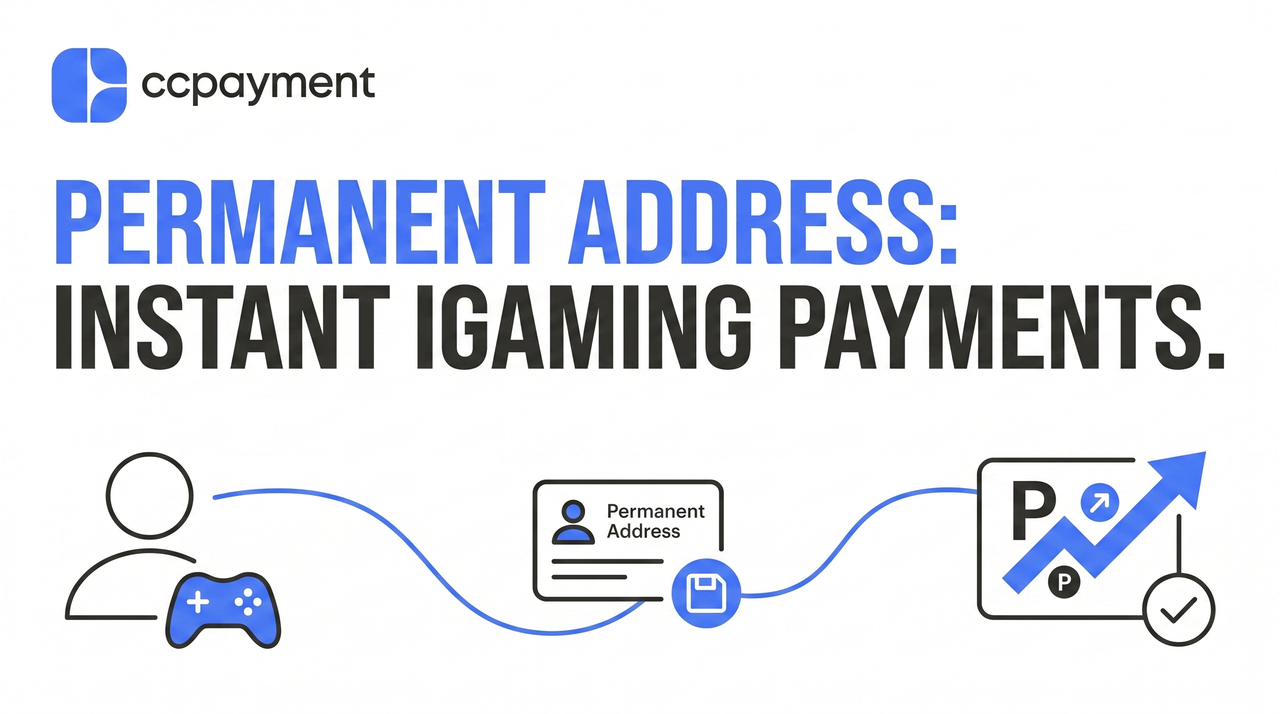
In fast-paced industries like iGaming, Esports betting, and Live-streaming, the user's intent to pay is often impulsive and instantaneous. Forcing a user to generate a new address and copy-paste it for every single top-up is a conversion killer. To maintain high User Retention and LTV (Life Time Value), the Permanent Deposit Address API is the industry-standard architecture.
The "Scan-and-Go" Experience
Upon registration or the first deposit, the system allocates a dedicated, permanent blockchain address to the user. This address becomes their personal "crypto vault" on your platform. Users can save it to their exchange whitelists or personal wallets, enabling one-click deposits anytime, anywhere.
Why High-Retention Platforms Default to This Model:
- Zero-Friction Top-ups: Eliminating the "generate invoice" step significantly reduces churn. Users can send funds directly from their wallets without even opening your app, creating a truly seamless "recharge" habit.
- 24/7 Automated Webhook Workflows: Our gateway monitors these permanent addresses on-chain 24/7. The moment a transaction is detected, a Webhook notification triggers your backend logic—instantly crediting user points, refreshing VIP status, or unlocking betting stakes.
- Optimized for VIP Users: While the "Ghost Address" risk exists for inactive users, the Permanent Address mode is a powerhouse for your Power Users. The high frequency of their deposits naturally offsets the underlying resource costs, making it a highly profitable choice for mature communities.
User Wallet System: Institutional-Grade Isolation for Compliance and Scalability
For Cryptocurrency Exchanges, Asset Management Platforms, or Web3 Social Networks handling massive liquidity, conflating user assets with platform operational funds is a significant regulatory red line. As highlighted in the 2026 Crypto Financial Reporting Standards, chaotic accounting is the primary trigger for exorbitant audit costs and compliance failures.Implementing a User Wallet System (Custodial API) is the definitive architectural solution for institutional-level integrity.
The Architecture of Trust: Sub-Wallet Segregation
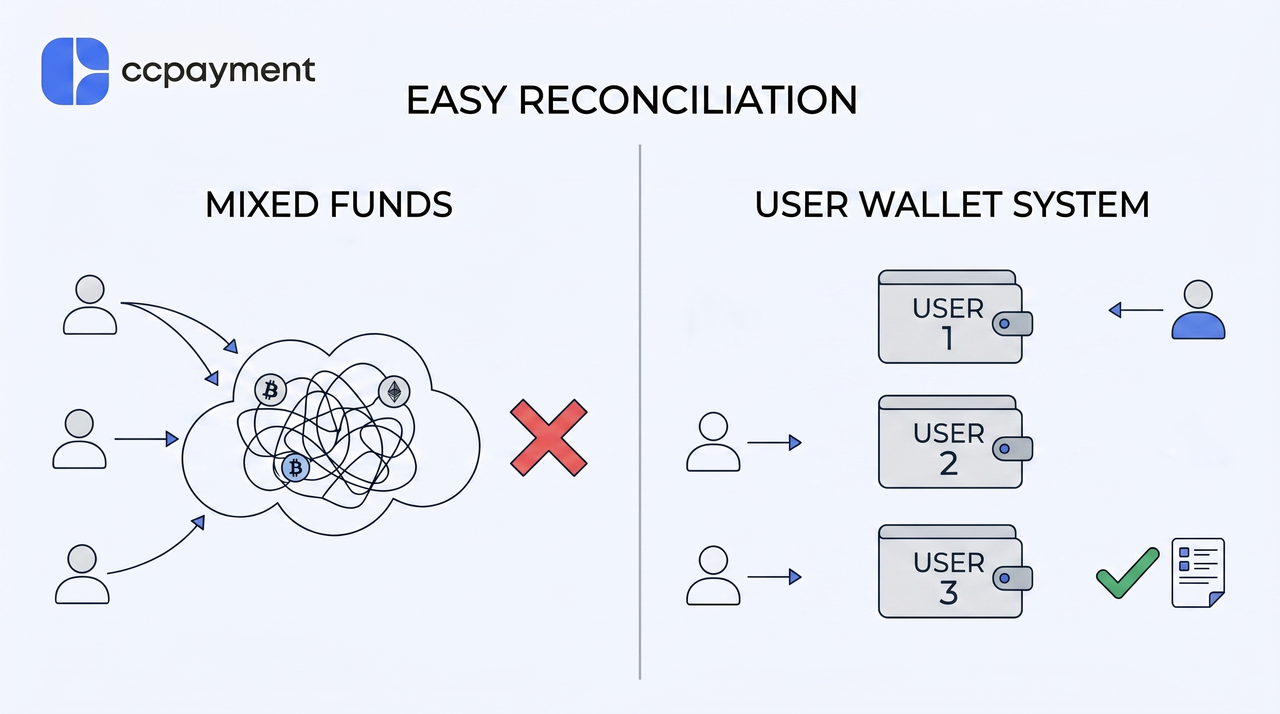
Unlike basic deposit modes, this system creates a distinct, on-chain sub-wallet for every user. Deposits are credited to the user’s specific sub-wallet balance, maintaining a physical and logical separation from the merchant’s master treasury.
Why Scaling Platforms Choose This Architecture:
- Strict Regulatory Fund Isolation: This mode achieves "Physical-Level Isolation." By separating user custodial assets from platform operating capital, you meet the most stringent global compliance requirements and can provide transparent Proof of Reserves (PoR) at any time.
- Off-Chain Efficiency & Zero-Gas Flows: This is the secret to scaling. While the system provides an on-chain address, internal platform interactions (e.g., A tipping B, or trading) are settled via an Off-chain Ledger. This eliminates Gas fees for internal activity entirely, providing a lightning-fast experience for your users.
- Financial Integrity & Simplified Audits: Every inflow and outflow is restricted to the specific user’s wallet scope. Crypto payment reconciliation becomes straightforward, eliminating "unmatched discrepancies" in month-end reports.
- Strategic Cost Management: By using this setup, platforms can transfer the burden of on-chain Gas to the end-user (e.g., User-borne withdrawal fees) and only execute platform-level sweeping when network Gas prices are at their lowest.
From Strategy to Execution: The Final Hurdle
Selecting the right deposit architecture—whether it’s the high-velocity Order Mode, the loyalty-driven Permanent Mode, or the compliant User Wallet System—is only the first step. The real challenge for many engineering teams lies in the technical execution: ensuring API calls are secure, types are correctly defined, and fund flows align with business logic.
This is where many projects stall in the documentation phase. But in 2026, infrastructure shouldn't be a bottleneck for innovation.
Accelerate Your Integration: CCPayment AI Agents as Your Technical Architect
Whether you are pivoting to a more efficient architecture or starting from scratch, you no longer need to spend weeks deciphering API documentation. CCPayment has integrated AI SDK Codegen Skills directly into our developer workflow, turning high-level architectural decisions into production-ready code in seconds.
- The CCPayment AI Agent: More Than Just a Code Generator
Instead of a generic AI, our agent is trained specifically on our latest Web3 Payment Infrastructure. It understands the nuances between the three architectures discussed above. Simply describe your business scenario, and the AI Agent will generate strongly-typed SDK code in Golang, Python, or TypeScript tailored to your chosen mode.
- Real-World Example: Deploying a User Wallet System (Python)
Need to create a dedicated sub-wallet for a new user? Don't write it from scratch—let the AI handle the boilerplate:
# Generated via ccpayment.sdk.codegen python
# This creates or retrieves a dedicated user wallet addressimport requests

import json
import time
import hmac
import hashlib
import binascii
import requests

app_id = "*** your app_id ***"
app_secret = "*** your app_secret ***"
url = "***"
content = {
    "userId": str(int(time.time() * 1000)),
    "chain": "BSC"
}

timestamp = int(time.time())
body = json.dumps(content)
sign_text = f"{app_id}{timestamp}"
if len(body) != 2:
    sign_text = f"{sign_text}{body}"
else:
    body = ""

h = hmac.new(app_secret.encode('utf-8'), sign_text.encode('utf-8'), hashlib.sha256)
server_sign = binascii.hexlify(h.digest()).decode('utf-8')

res = requests.post(url=url,
                    headers={
                        "Content-Type": "application/json;charset=uf8",
                        "Appid": app_id,
                        "Sign": server_sign,
                        "Timestamp": f"{timestamp}"},
                    data=body
                    )
print(res.json())FAQ
Q1: Why is the "User Wallet System" better for reconciliation than just using a permanent address?
A: In a standard permanent address mode, the gateway just gives you a "pipe" for money. In a User Wallet System, the gateway provides the "tank" and the "meter" for every user. CCPayment tracks the balance changes, swaps, and transfers for each specific userId, providing a structured ledger that you can sync directly to your database, eliminating manual hash-matching.
Q2: How does CCPayment handle "risky" deposits that might pollute my merchant account?
A: CCPayment integrates with top-tier AML providers to perform real-time detection. In a User Wallet System, assets are isolated. If a deposit is flagged, it stays within that user's record, and our Compliance Handling Solutions allow you to refund the asset or track it without freezing your entire merchant treasury.
Q3: We are a small startup. Is the User Wallet API too complex for us?
A: Actually, it’s often easier. By letting CCPayment handle the "user-level ledger," you don't have to build complex accounting logic in your own backend. Plus, with our AI SDK Skill, you can generate the necessary integration code in minutes, allowing your team to focus on building features instead of payment plumbing.
Q4: Does shifting to a User Wallet System cost more in transaction fees?
A: Actually, it saves you money. With legacy permanent addresses, you often pay hidden "gas taxes" to sweep funds from thousands of idle wallets. CCPayment’s User Wallet System eliminates these ghost wallet maintenance costs. Plus, you get to scale your global operations with our industry-low 0.2% settlement fee—with zero setup or monthly maintenance charges.
Q5: We currently use a permanent address API from another provider. Is it hard to migrate?
A: Not at all. Migrating to CCPayment is designed to be frictionless. You can keep your existing legacy addresses active while routing all new user sign-ups to the new User Wallet System. With our detailed API documentation and AI-assisted integration tools, your development team can complete the switch in a matter of days, not months.